Artificial Intelligence
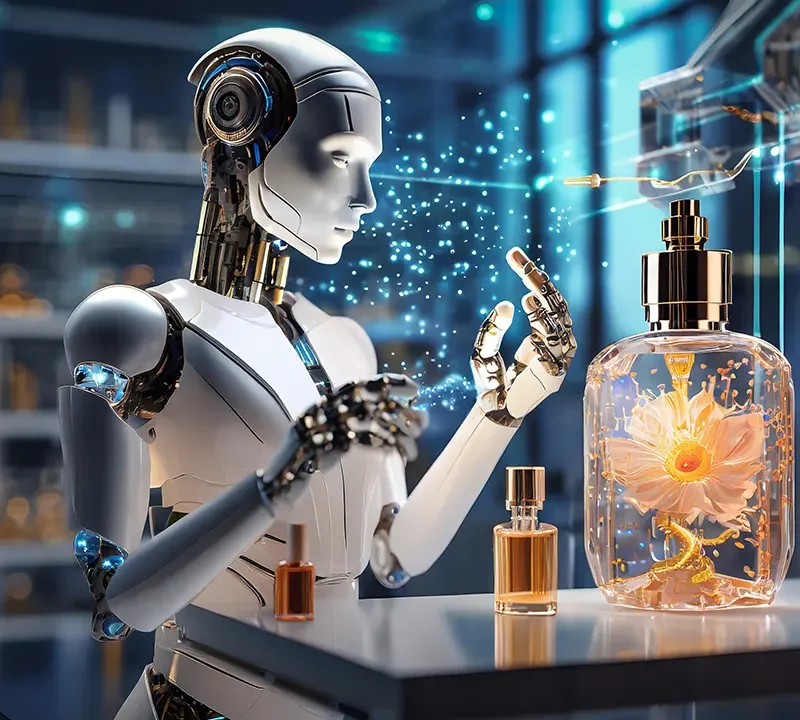
Artificial Intelligence has entered the perfume world. AI has already learned to make fragrances and is doing so around the world as we speak. Mass-market brands are bragging about it in ads, while niche houses are keeping quiet about its use. As a consumer, today you can be certain – every new bottle of cologne from a well-known brand already contains some AI magic. Its advantages are clear – great speed of scent creation, reduced costs, automatic integration of marketing studies into the process and therefore lower risk of failure. The downsides are more subtle and difficult to quantify. First, there is the emotional side. People still like to think of perfume as of an object close to art, and as such expect it to contain a creative spark of a human genius. We just don’t value computer-generated stuff as much as handcrafted items. But that’s only part of the story. AI is certain to fundamentally change the industry, and not all of this change will be good. The profession of perfumer is going to be transformed, and there will be fewer jobs available. It also remains to be seen whether AI algorithms will be able to keep their promise of limitless creativity.